Punjab, also acclaimed as Bharat's breadbasket, is grappling with severe flooding for the past several years. The region faces significant challenges due to floods, primarily caused by the Sutlej, Beas, Ravi, and Ghaggar rivers, as well as the Bhakra Nangal, Pong, and Ranjit Sagar dams.
During the monsoon season, the high flow rates of the Sutlej, Beas, and Ravi rivers frequently inundate vast agricultural lands and residential areas, resulting in substantial economic losses and displacement of communities. The seasonal Ghaggar River further aggravates flooding as unexpected heavy rainfall often leads to flash floods.
Although the Bhakra Nangal Dam, Pong Dam, and Ranjit Sagar Dam primarily support irrigation and hydroelectric power, they also play a crucial role in flood management. However, during periods of excessive rainfall, the release of water often leads to downstream flooding. Improved reservoir operations can help mitigate some of these impacts.
These floods cause significant loss of life, habitat, and extensive damage to infrastructure and agriculture. Key challenges include inadequate infrastructure, such as insufficient embankments and drainage systems, highlighting the need for effective flood forecasting and management strategies. The lack of post-flood assessment leaves little room for accountability or learning lessons from past events.
Additionally, greater transparency is needed in reservoir operations, flood forecasting, and disaster management. To enhance resilience, strategies should involve improved flood prediction models, investment in robust infrastructure, promotion of sustainable land-use practices, transparent and accountable reservoir operations, effective flood management, and enhanced community awareness and preparedness.
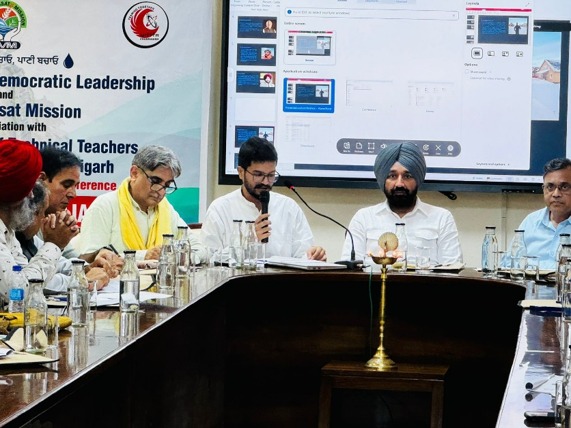
The recurring nature of these floods emphasizes the urgency of addressing root causes, strengthening community resilience, and developing sustainable solutions. This conference aimed to convene policymakers, researchers, practitioners, and community leaders to discuss the diverse impacts of Punjab floods, challenges in mitigation, and pathways to resilience.
To analyze flood management and the impacts of floods on the economy, society, and environment in Punjab.
To identify the key challenges in flood management and mitigation.
To explore innovative and sustainable pathways to reduce flood damage and enhance resilience against floods.
To foster collaboration among stakeholders for effective flood management strategies.
Disaster Management
Impacts of Flood
Strategies of Flood Management
Flood Forecasting and Early Warning System
Socio-Economic and Environmental Impacts of Flood
Managing Dams, Reservoirs, and Canals along the Rivers
Land and Water Management and Environmental Challenges
Climate Change and Policy Interventions
Precipitation Impacts on Flood
Environmental Pollution Monitoring, Modelling and Mitigation Strategies
River Water Quality and Pollution
Air Pollution and Environmental Implications
Sustainable Development of Natural Resources
Vice Chairman – RMP
Director – NITTTR Chandigarh
Executive Director – RMP
Executive Director – KVM
IIPG – RMP
Assistant Professor
DAV College, Chandigarh