Punjab stands at a promising crossroad in its development journey. With its rich cultural heritage, strong community networks, and increasing public awareness, the state is uniquely positioned to lead the way in building a healthier and more resilient future for its people.
In recent years, there has been a growing recognition of the importance of shifting from reactive healthcare models to preventive, inclusive, and community-centered health systems. This transformation is essential to ensure that every citizen, regardless of region or background, has access to quality healthcare.
Despite notable progress in areas such as institutional deliveries and health digitization, Punjab continues to face complex public health challenges. These include rising cancer incidences in specific districts, high rates of drug addiction, increasing burden of non-communicable diseases, and gaps in rural health infrastructure.
Regions like Malwa, often termed the “cancer belt,” reflect the intersection of environmental and health crises, while urban centers face lifestyle-related illnesses and pollution-linked health problems. Additionally, maternal and child health indicators reveal persistent issues like anemia, obesity, and undernutrition, especially among vulnerable populations.
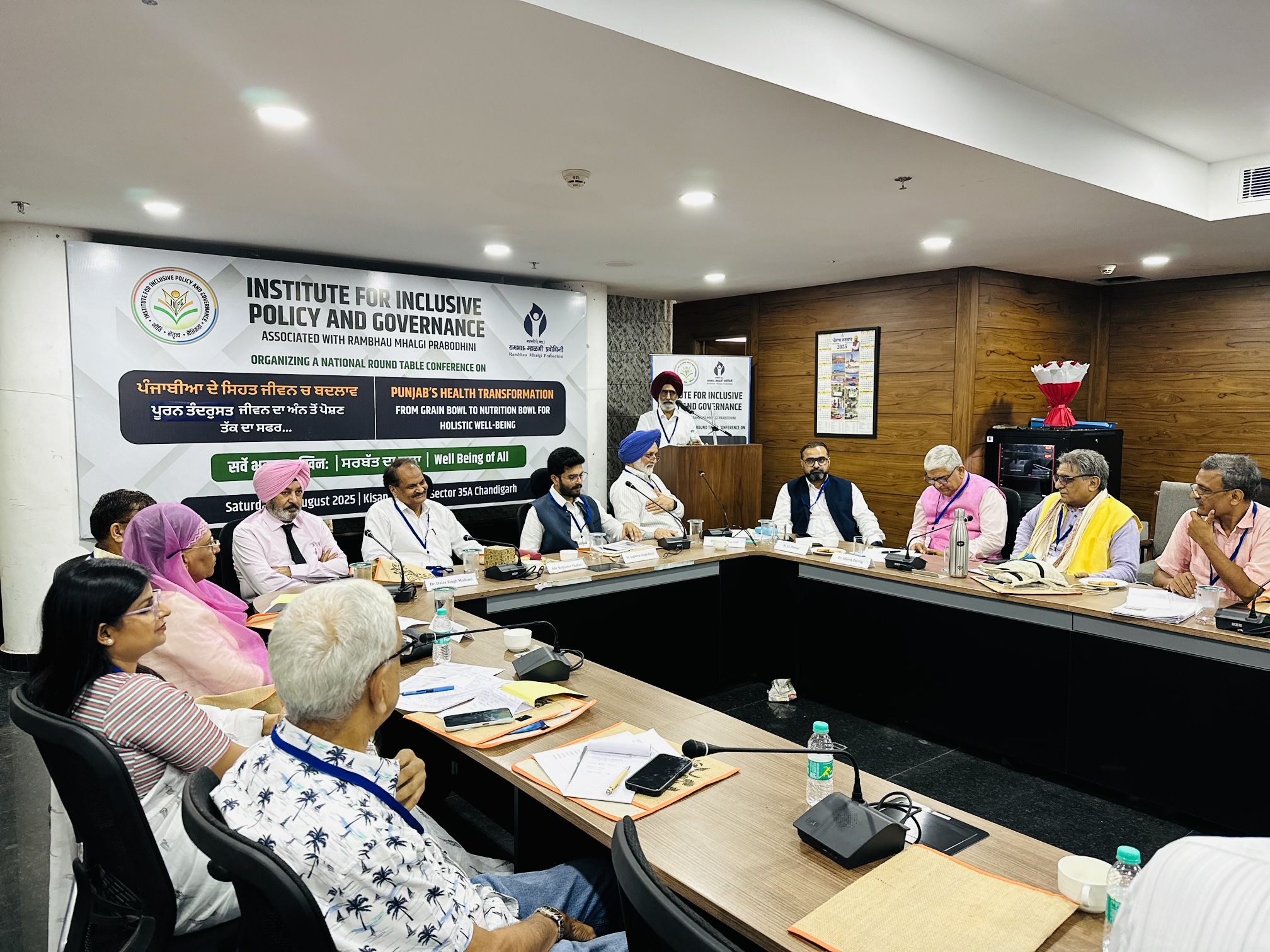
In this context, the conference seeks to bring together policymakers, healthcare professionals, researchers, civil society actors, and innovators to reimagine Punjab’s health landscape. It aims to critically assess the state’s existing health systems, promote evidence-based policymaking, and co-develop practical solutions rooted in local realities.
By fostering open dialogue and cross-sectoral collaboration, this initiative aspires to shape a future where Punjab is not only the grain bowl of India but also a model state for holistic health, well-being, and inclusive healthcare delivery.
To assess the impact of chemical-intensive farming and pesticide use on public health in Punjab, with a focus on bioaccumulation and cancer prevalence in affected regions.
To examine the scope and consequences of drug addiction in Punjab, identifying demographic patterns and its effects on community health.
To encourage multi-sectoral dialogue among health experts, policymakers, and community leaders to develop strategies for reducing chemical and substance abuse risks.
To propose evidence-based policy measures that address chemical pollution, promote addiction treatment, and improve healthcare infrastructure in vulnerable rural and urban areas.
Public Health Infrastructure and Governance
Equal and Inclusive Healthcare Access
Maternal, Child, and Adolescent Health
Mental Health Services and Awareness
Prevention and Management of Non-Communicable Diseases
Affordable Healthcare and Financial Support
Use of Technology and Telemedicine
Health Education and Community Awareness
Nutrition and Environmental Health
Emergency Medical Services and Disaster Preparedness
Primary Healthcare and Community Health Workers
Integration of Traditional and Modern Medicine
Health Data and Evidence-Based Policies
Women’s Health and Gender-Sensitive Services
Healthcare for Elderly and Persons with Disabilities
Community Participation and Local Health Governance
Patron
President – IIPG
Co-Patron
Retd. CMO, RTI Activist
Organizing Secretary
Director – IIPG
Convener
Ayurveda Doctor